
Key points from this guide
- Real ceramic coating in India costs ₹8,000–₹35,000 for most cars. Anything under ₹5,000 marketed as "ceramic" is almost certainly a glorified sealant.
- In Indian conditions, expect real-world durability well below the 5–7 years many brochures claim — often around 2–4 years for a properly installed SiO2 coating, depending on the product, the prep and how the car is maintained.
- The coating matters less than the prep. A ₹15,000 coating over uncorrected paint locks the swirl marks in.
- October–February is the best application window. Avoid booking right before monsoon.
Ceramic coating occupies a strange place in the Indian car market. It's simultaneously the most genuinely useful protection upgrade for our conditions — and the most misrepresented product sold at dealerships and detailing studios across the country. The same phrase covers everything from a ₹2,999 spray-on sealant at a service centre to a ₹60,000 professional graphene installation. This guide separates what's real from what's marketing, with actual Indian pricing.
The “9H” on a coating bottle refers to pencil hardness, not the mineral hardness scale. It says nothing about resistance to grit dragged across the panel.
What Ceramic Coating Actually Is
A genuine ceramic coating is a liquid polymer dominated by silicon dioxide (SiO2) — Manufacturers rarely publish exact concentrations, and the percentages quoted in marketing are hard to verify — so treat any figure you're given as a claim, not a specification. Applied to prepared paint, it cross-links and cures into a hard, glass-like layer that chemically bonds with the clear coat. That bond is the entire point: unlike wax, which sits on the surface and washes away, a cured ceramic layer becomes part of the surface.
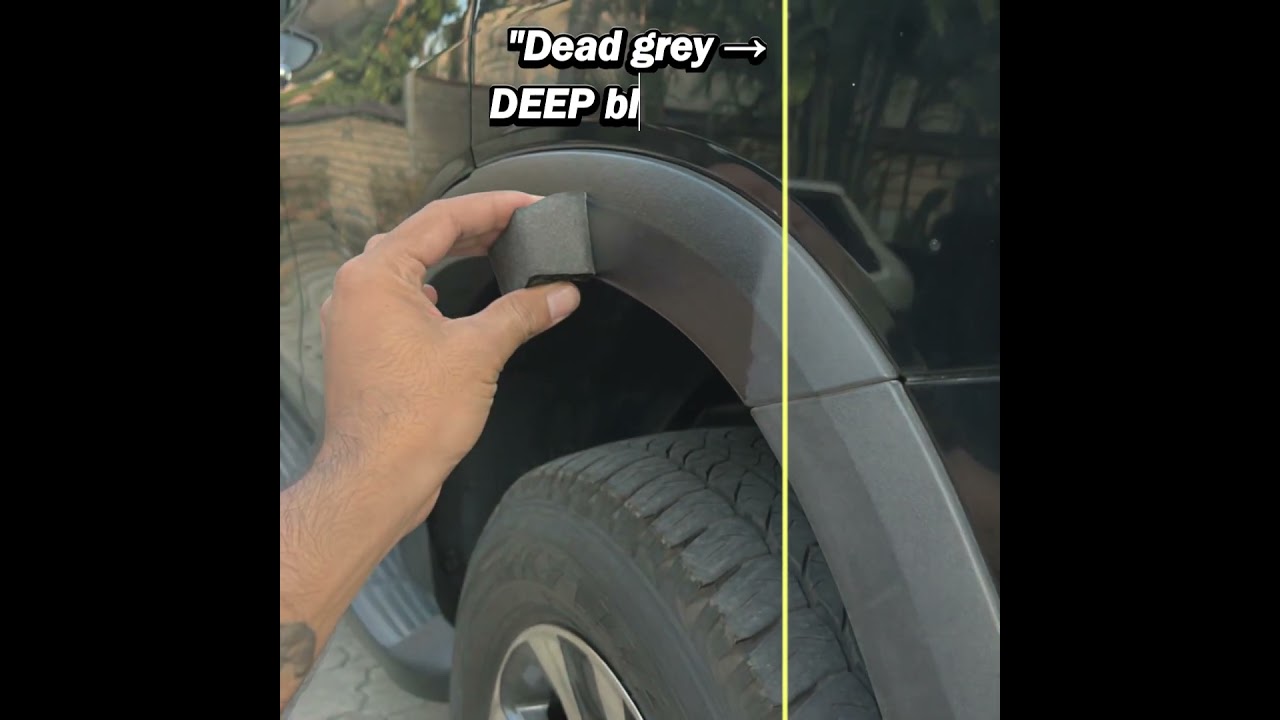 Ceramic coating explained for Indian conditions
What that bonded layer gives you, in order of real-world value for India:
- UV resistance. India's UV index regularly reaches 10–12 or more in summer — "very high" to "extreme" on the scale. UV is what oxidises clear coat and fades paint. This is the coating's most valuable property here.
- Chemical resistance. Bird droppings, bug splatter, rain residue and hard-water minerals can begin etching unprotected paint quickly, especially on hot panels. A coating buys you time to remove them safely.
- Hydrophobics. Water beads and rolls instead of sheeting and drying into spots — directly useful when your tap water is hard.
- Easier washing. Contamination releases with less agitation, which means less wash-induced swirling over the years.
"9H" refers to pencil hardness, not Mohs. A ceramic coating will not stop stone chips, key scratches, branch scrapes or parking dings. Anyone selling you "scratch-proof" is selling fiction. For impact protection, the product you want is PPF — a different thing at a different price.
What Ceramic Coating Costs in India — Real Numbers
| Tier | Hatchback | Sedan / Compact SUV | Full-size SUV | What you get |
|---|---|---|---|---|
| Entry SiO2 (1 coat) | ₹8,000–₹12,000 | ₹10,000–₹15,000 | ₹14,000–₹20,000 | 1–2 yr protection, basic prep |
| Professional SiO2 (2–3 coats) | ₹15,000–₹22,000 | ₹18,000–₹28,000 | ₹25,000–₹35,000 | 2–4 yr, single-stage correction included |
| Graphene / premium | ₹25,000–₹35,000 | ₹30,000–₹45,000 | ₹40,000–₹70,000 | 3–5 yr, heat tolerance varies by product |
| Dealer "Teflon/ceramic" | ₹3,000–₹8,000 any size | A sealant. 2–4 months. Avoid. | ||
Metro pricing (Mumbai, Bangalore, Gurgaon) usually runs above tier-2 cities for the same products. That premium buys rent, not coating quality — a skilled tier-2 installer with proper lighting and prep process beats a careless metro studio every time.
The Prep Is the Product
Here is the industry's open secret: the coating bottle is maybe 20% of the job. A coating locks in whatever surface it's applied over. Applied over swirled, contaminated paint, it preserves those defects under glass for three years. The sequence a proper studio follows:
- Decontamination wash — two-bucket wash, iron remover, clay bar. Paint must be surgically clean.
- Paint correction — machine polishing to remove swirl marks and water-spot etching. This is where the hours go; it's why real installations take 1–2 days.
- Panel wipe — IPA solution strips every trace of polish oil so the coating can bond to bare clear coat.
- Application and cure — coating applied panel by panel, levelled, then kept indoors for the cure time on the product's data sheet — often around 12–24 hours — before the car sees water.
A studio quoting same-day, 3-hour ceramic coating is skipping correction entirely. That's fine if they say so and price accordingly — it's dishonest when sold as the full treatment.
Seven Questions That Expose a Bad Studio
- "Which brand and product line, exactly?" — Real studios name it instantly (Gtechniq, Gyeon, CarPro, Artdeshine, 3M). Evasion means repackaged mystery liquid.
- "Which product is it, and can I see its technical data sheet?" — A named product with a published data sheet tells you far more than any percentage claim. "It's 9H sir" is not an answer to this question.
- "What correction is included?" — You want the honest answer, even if it's "none." At least you know what you're paying for.
- "Can I see the car under your inspection light midway?" — Good studios are proud to show corrected paint before coating. Refusal is a walkout signal.
- "How long does the car stay indoors after application?" — It should match the product's data sheet; many specify roughly 12–24 hours before the car sees water. "Take it now" suggests the cure is being rushed.
- "What's the written warranty and what voids it?" — Real warranties specify maintenance washes. Verbal "lifetime guarantee" means nothing.
- "What aftercare do you require?" — A studio that doesn't explain the no-wash window and pH-neutral washing doesn't care what happens after payment.
How Long It Really Lasts Here
Manufacturer durability claims come from milder test conditions. India is a harsher test bench: UV index 10+, bonnet surface temperatures that can exceed 70°C, monsoon grime, and abrasive dust that means frequent washing. Working expectations:
| Product class | Brochure claim | Indian reality |
|---|---|---|
| Spray "ceramic" sealants | 1 year | 2–4 months |
| Consumer DIY SiO2 kits | 2–3 years | 8–18 months |
| Professional SiO2 (2–3 coats) | 5 years | 2–4 years |
| Graphene-infused | 7+ years | 3–5 years |
You can push toward the upper bound with correct maintenance: pH-neutral two-bucket washes, no automatic car washes ever, an SiO2 booster spray every three months or so, and rinsing the car soon after heavy rain.
When to Get It Done
October to February is the ideal window across most of India — moderate temperatures and low humidity give the coating proper curing conditions, and fresh protection then faces summer at full strength. The worst time is the fortnight before monsoon: the coating barely cures before being stress-tested, and many studios rush jobs in the pre-monsoon booking surge.
The best time to coat a car is in its first 30 days — after correcting the dealer-prep swirls that many Indian deliveries have. Early coating means the paint spends its whole life protected, and you'll never need heavy correction at all.
Is It Worth It? The Honest Math
For a ₹10 lakh+ car kept 4+ years and parked outdoors anywhere in India — yes, clearly. ₹18,000 of protection against UV fade, etching and wash marring preserves both appearance and resale value that exceeds the cost. For a car parked in covered/basement parking, washed correctly, and replaced every 3 years, a ₹3,000 annual sealant regimen captures most of the benefit at a fraction of the price. The genuinely bad purchase is the middle: dealer-applied "ceramic/Teflon" packages that cost real money and deliver wax-grade protection.
Quick Challenge
ProtectSolvedA studio offers “ceramic coating, 9H, 5-year warranty” on your sedan for ₹3,999, done in three hours. What do you do?
Other studios quoted much more, and this offer “ends today”.
Remember: With ceramic coating, the prep is the product. Find out exactly what you are paying for before you book.
Read next: Ceramic coating cost calculator
Frequently Asked Questions
Can I apply ceramic coating myself?
Yes, with caveats. Consumer kits (₹2,000–₹6,000) are formulated for forgiving application. The hard part isn't the coating — it's the prep, and the discipline to work panel-by-panel in shade at under 30°C. Bangalore-type weather is ideal for DIY; a Jaipur summer is not. Expect noticeably shorter durability than a professional installation — typically well under two years, depending on the product.
Does ceramic coating mean I never wash the car?
No. Coated cars still get dirty — they just release dirt more easily. You still wash every 7–14 days with pH-neutral shampoo. What changes is that washing becomes faster and safer for the paint.
Ceramic coating or PPF — which should I choose?
Different problems. Ceramic = chemical/UV protection and easy maintenance. PPF = physical impact protection at 3–5× the price. Highway drivers and owners of dark-coloured premium cars often do PPF on the front end plus ceramic everywhere else.