
Paint Protection Film (PPF) is the most physically robust paint protection available for road vehicles. While ceramic coating provides chemical resistance, only PPF provides genuine physical impact protection — absorbing the stone chips and door dings that inevitably occur on Indian roads.
Self-healing PPF relies on heat to close minor marks. In Indian summer that happens faster than in the climates the films were designed in.
What PPF Actually Is
Modern PPF is a multi-layer thermoplastic urethane (TPU) film. Total thickness is typically 150–200 microns (6–8 mil), compared to your car's clear coat of 40–60 microns. PPF is 3–4 times thicker than the clear coat it protects.
Understanding Mil Thickness
| Thickness | Protection Level | Suitable For |
|---|---|---|
| 4–5 mil (100–125 µm) | Light protection | Low-impact areas, painted plastics |
| 6 mil (150 µm) | Standard protection | Most vehicles in normal Indian conditions |
| 8 mil (200 µm) | Heavy protection | Frequent highway driving, high-value cars, SUVs |
| 10 mil (250 µm) | Maximum protection | Off-road vehicles, extreme conditions |
Self-Healing Technology
Premium PPF grades incorporate an elastomeric topcoat with memory properties. When the film sustains a light scratch, the topcoat flows back into its original flat state when heat is applied — either from ambient sunlight (several hours) or a heat gun (under a minute).
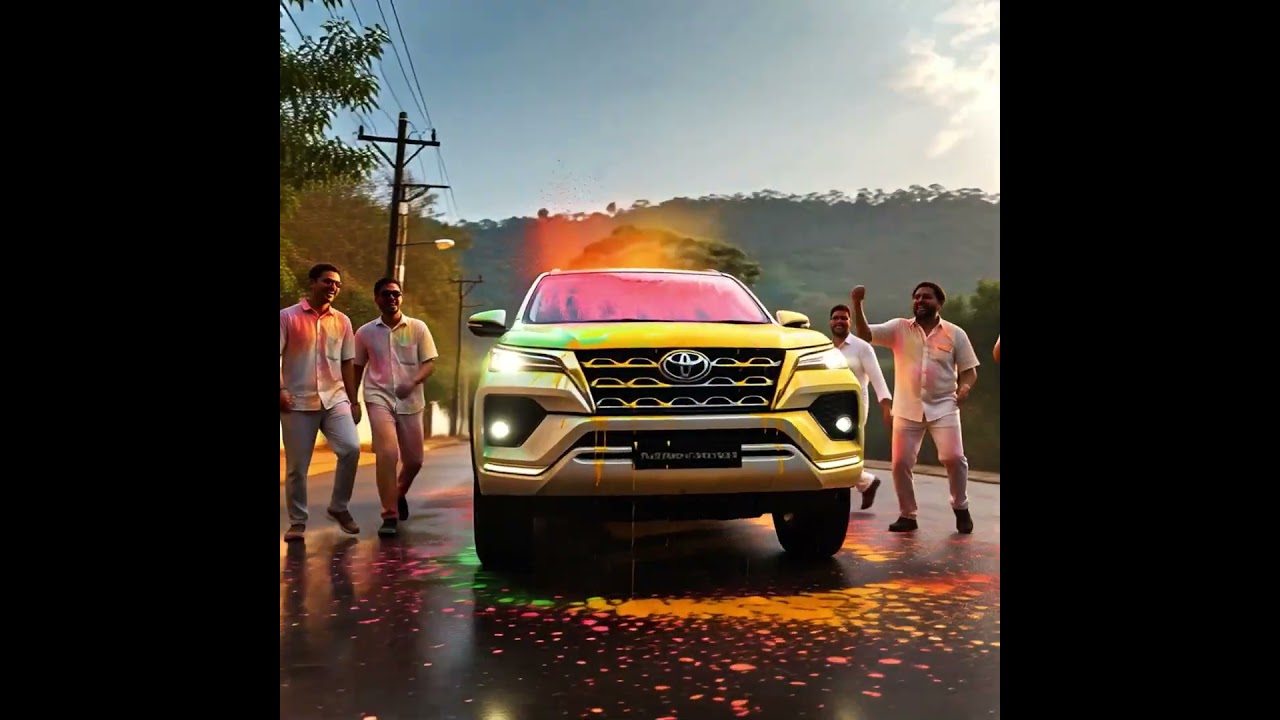 Paint protection film explained
A "partial front" installation covering the bonnet, front bumper, front fenders, side mirrors, and A-pillars protects the areas that take most stone chips, for a fraction of the cost of a full-vehicle installation.
Understanding The Different Types Of PPF Available In India
Paint Protection Film in the Indian market comes in several distinct categories that vary significantly in performance, clarity, self-healing capability, and durability. The two primary performance tiers are: standard TPU (thermoplastic urethane) film, which provides physical impact protection but no self-healing and limited optical clarity; and premium self-healing TPU film, which features a topcoat formulation that uses mild heat (body temperature or sunlight warmth) to reflow and eliminate light surface scratches from the film's surface. In Indian summer conditions, the self-healing property of premium films activates naturally from ambient heat — a scratch received in morning commute traffic often disappears by midday as the car sits in sun.
Brand differentiation in India's PPF market is significant. The reference brands — XPEL Ultimate Plus, 3M Pro Series, SunTek Ultra, and Avery Dennison Supreme Defence — are available through authorised installer networks in major Indian cities and represent genuine performance differences over economy options. These films typically carry long manufacturer warranties against yellowing, cracking, bubbling and delamination — often 5–10 years, but check the warranty terms offered in India. Economy films available from Chinese manufacturers through grey-market channels at significantly lower prices typically lack long-term UV stability and can start yellowing within a few years in Indian sun — the exact failure mode their UV-stable counterparts are engineered to prevent.
Installation Quality: What Separates Good From Bad PPF Work
The quality of PPF installation matters as much as the film quality itself — a premium film installed poorly will fail faster and look worse than a standard film installed correctly. The critical installation quality indicators to inspect after any PPF job: edge tuck quality at panel edges and around door handles where film must be wrapped or cut flush; the absence of visible stretch marks or "fingers" at curved panel edges indicating the film was not properly relaxed before application; zero trapped contamination visible as bumps under the film; and consistent clarity without milky or hazing areas indicating adhesive issues. Reputable installers allow inspection of completed work and will redo sections that do not meet quality standards.
Ask your installer specifically whether they use software-cut patterns (pre-cut film templates generated by CAD software for your specific vehicle model) or hand-cut patterns on the car. Software-cut patterns produce cleaner edges, more consistent coverage, and less installation risk to the paint from the cutting knife. Many professional installers in India use software-cut patterns, such as XPEL's DAP system. Hand-cutting, while viable for experienced installers, introduces variables that increase edge imperfection and paint cut risk.
Choosing the Right PPF Coverage for Your Usage Pattern
Full-car PPF coverage is the premium choice but not always the most cost-effective. Analysing where stone chip damage actually occurs on Indian roads allows you to allocate PPF coverage where it provides maximum return.
The front bumper receives the most direct stone chip impact from road debris thrown up by vehicles ahead. This panel sustains stone chip damage first and most severely on Indian highways. Front bumper coverage is the usual starting point on any budget — for most cars it is the best-value PPF you can buy. Full front bumper coverage costs ₹8,000–15,000 depending on vehicle size and installer.
The bonnet leading edge — the forward 30–40 cm of the bonnet closest to the front grille — is the second highest-risk panel. Stones travelling at highway speeds clear the front bumper and impact the bonnet leading edge directly. A partial bonnet coverage package covering the leading third of the bonnet combined with full front bumper coverage provides comprehensive protection for the two highest-risk areas at ₹15,000–25,000.
A-pillars pick up stone chips on highway drives too. A-pillar strips are a small addition to any front-end PPF package and add meaningful protection to a vulnerable area. Side mirrors receive stone chip damage from overtaking on Indian roads where vehicles pass very close — mirror coverage is worthwhile on frequently highway-driven cars.
Full car coverage makes financial sense for very high-value vehicles where any paint damage requires expensive colour-matched repairs, for white or light-coloured cars where stone chip touch-ups show prominently, and for cars regularly driven on construction-zone-heavy routes where debris levels are extreme. For a typical daily driver, selective front-end coverage gives most of the protection benefit at a fraction of the full-car cost.